
Our Services
-
![]()
Systems Engineering
A successful product is more than the sum of its parts.
-
![]()
Mechanical Engineering
Every mechanical design starts with two questions: What does it need to do, and where does it need to live?
-
![]()
Prototype Development
A prototype is more than a first version of a product.
-
![]()
Integration
A successful product doesn’t begin at integration. It begins months earlier.
-
![]()
Test Planning & Validation
Testing is more than checking boxes.
-
![]()
Manufacturing, Fabrication & Build Support
Designing a product is only one part of bringing it to life.
-
![]()
Design Reviews
A thoughtful design review is about more than finding problems.
-
![]()
Technical Problem Solving
Some of the most valuable engineering happens when a project reaches an unexpected challenge.
-
![]()
Flight Test & Operations Support
Successful operations depend on preparation as much as execution.
-
![]()
Consulting & Project Support
Sometimes you need a complete engineering partner.
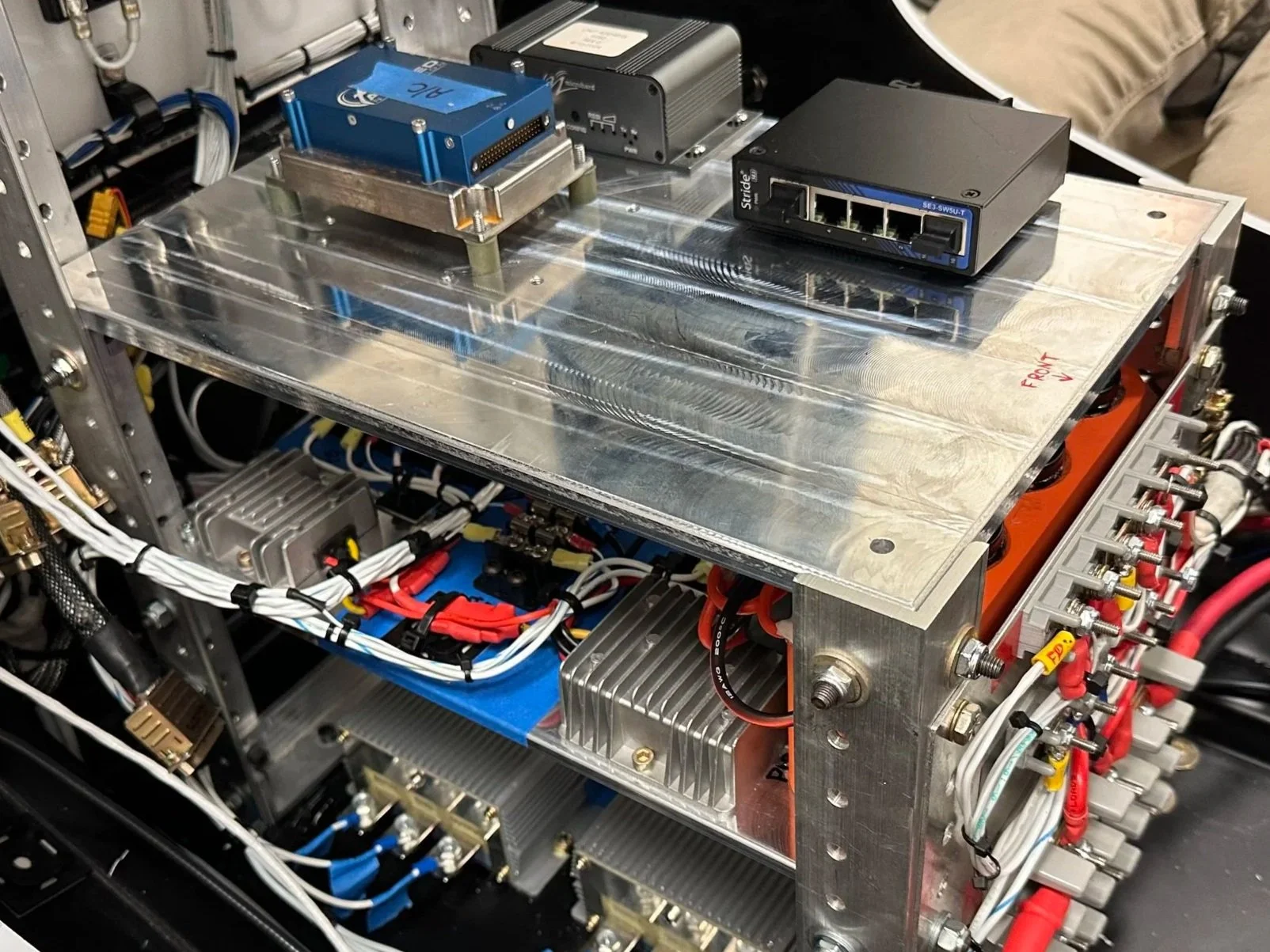
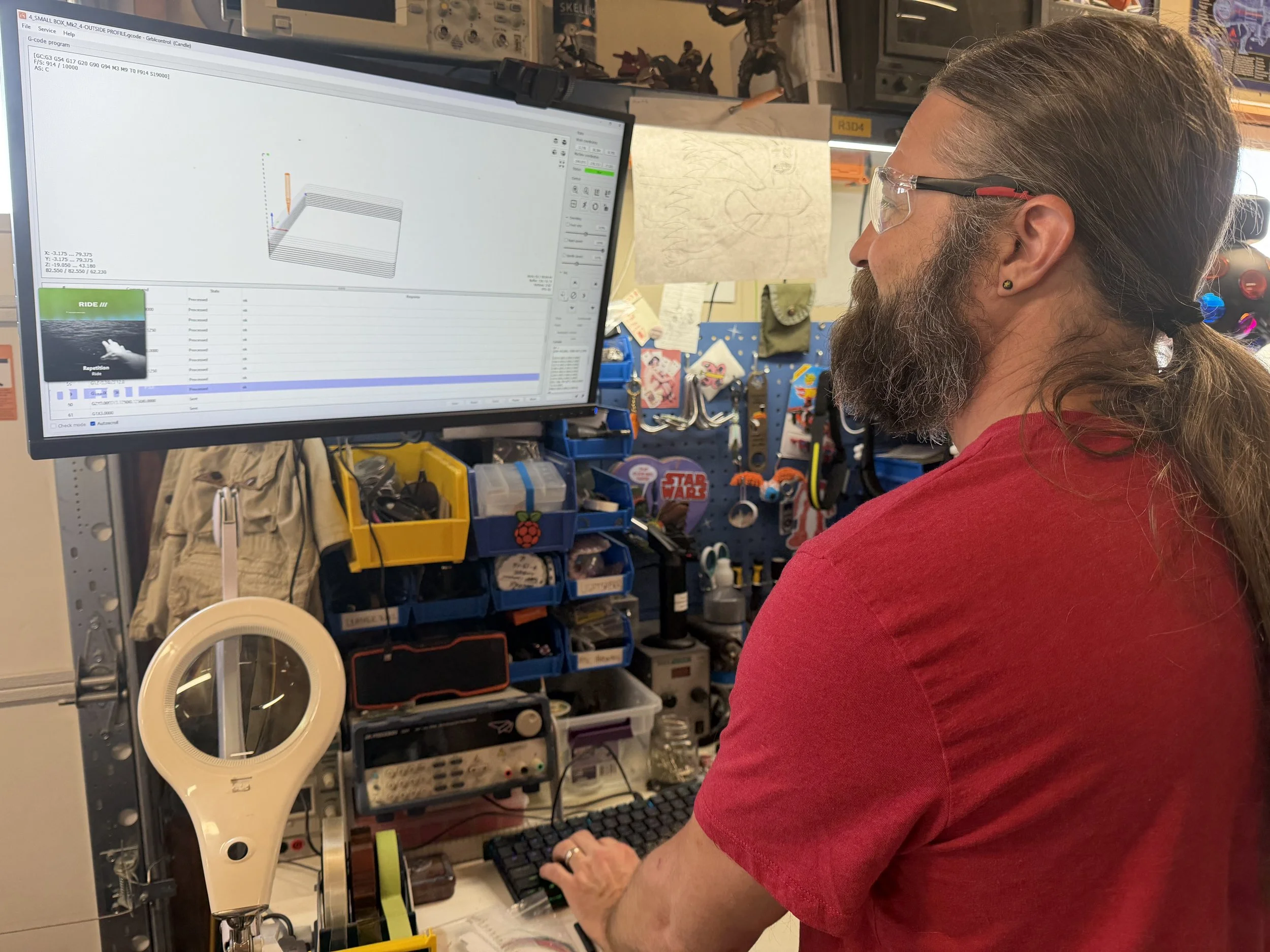
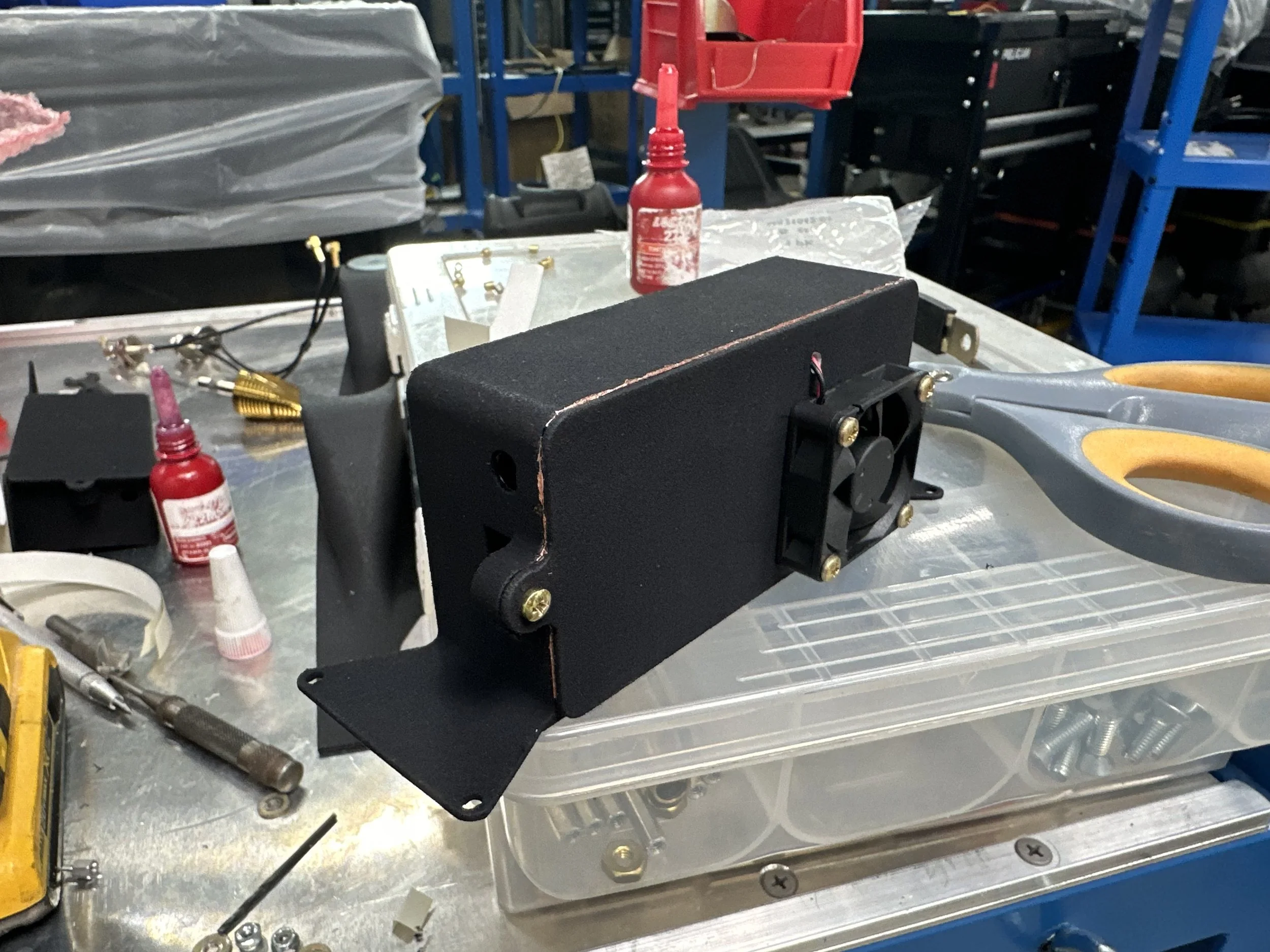
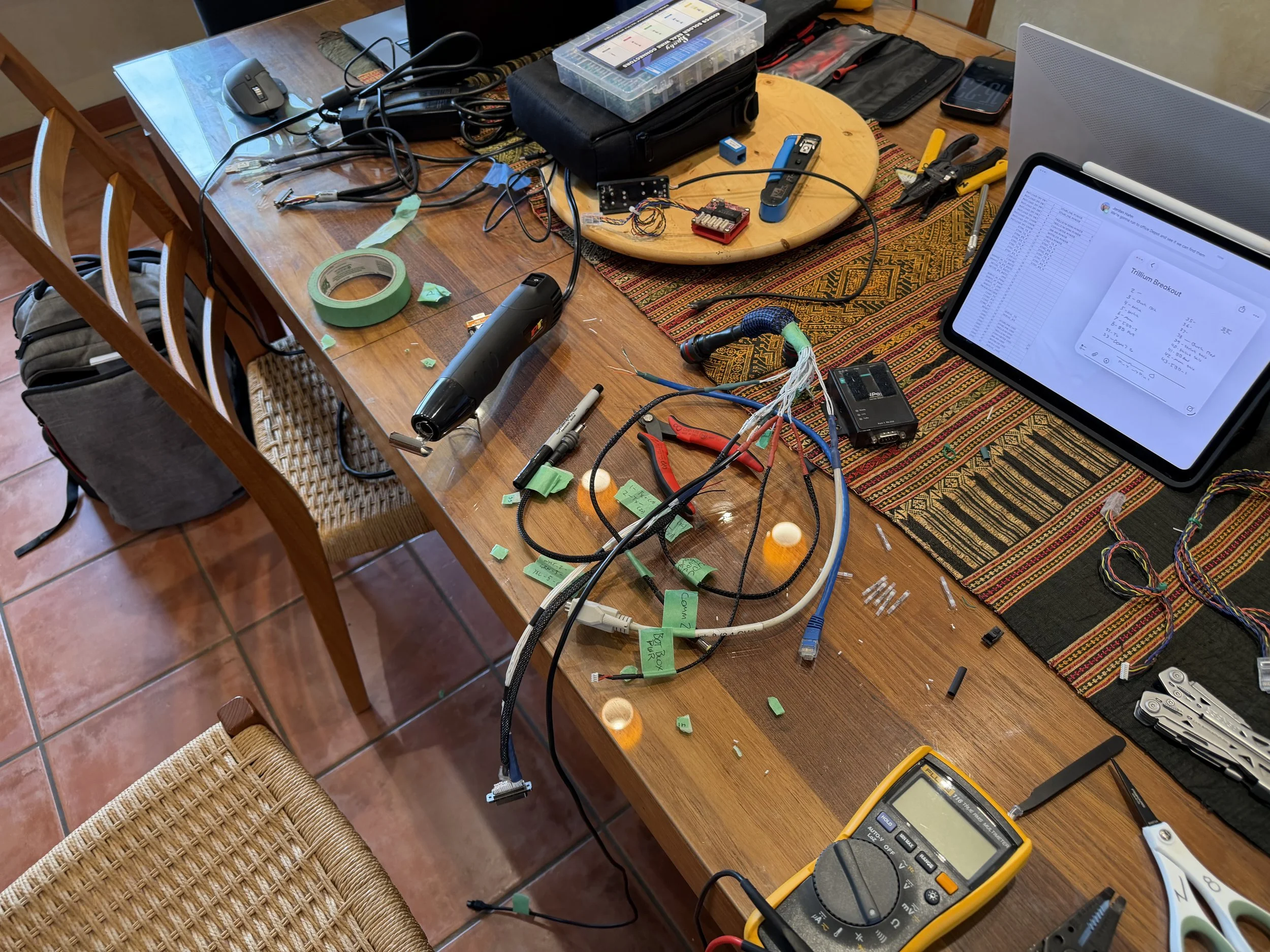
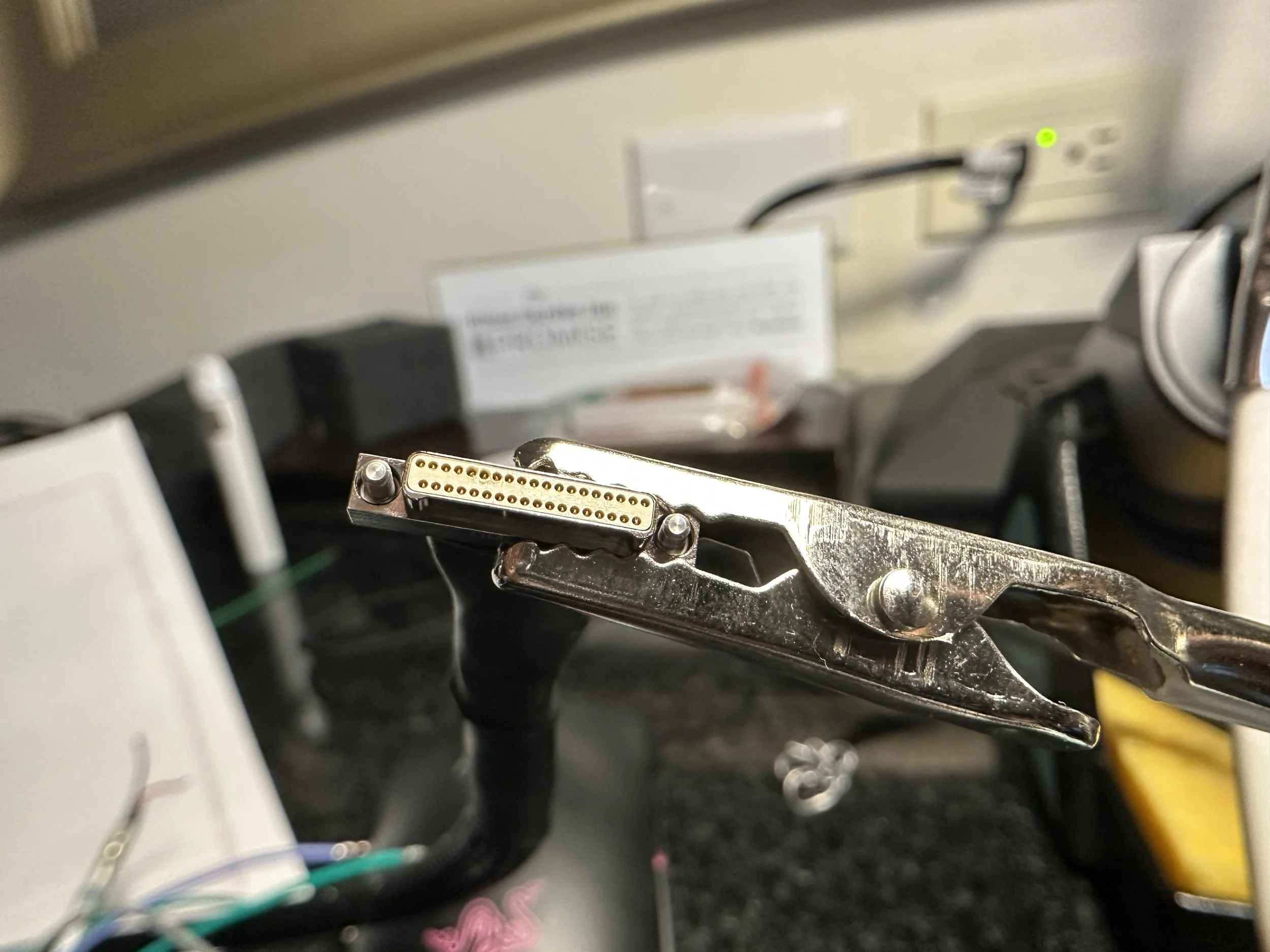
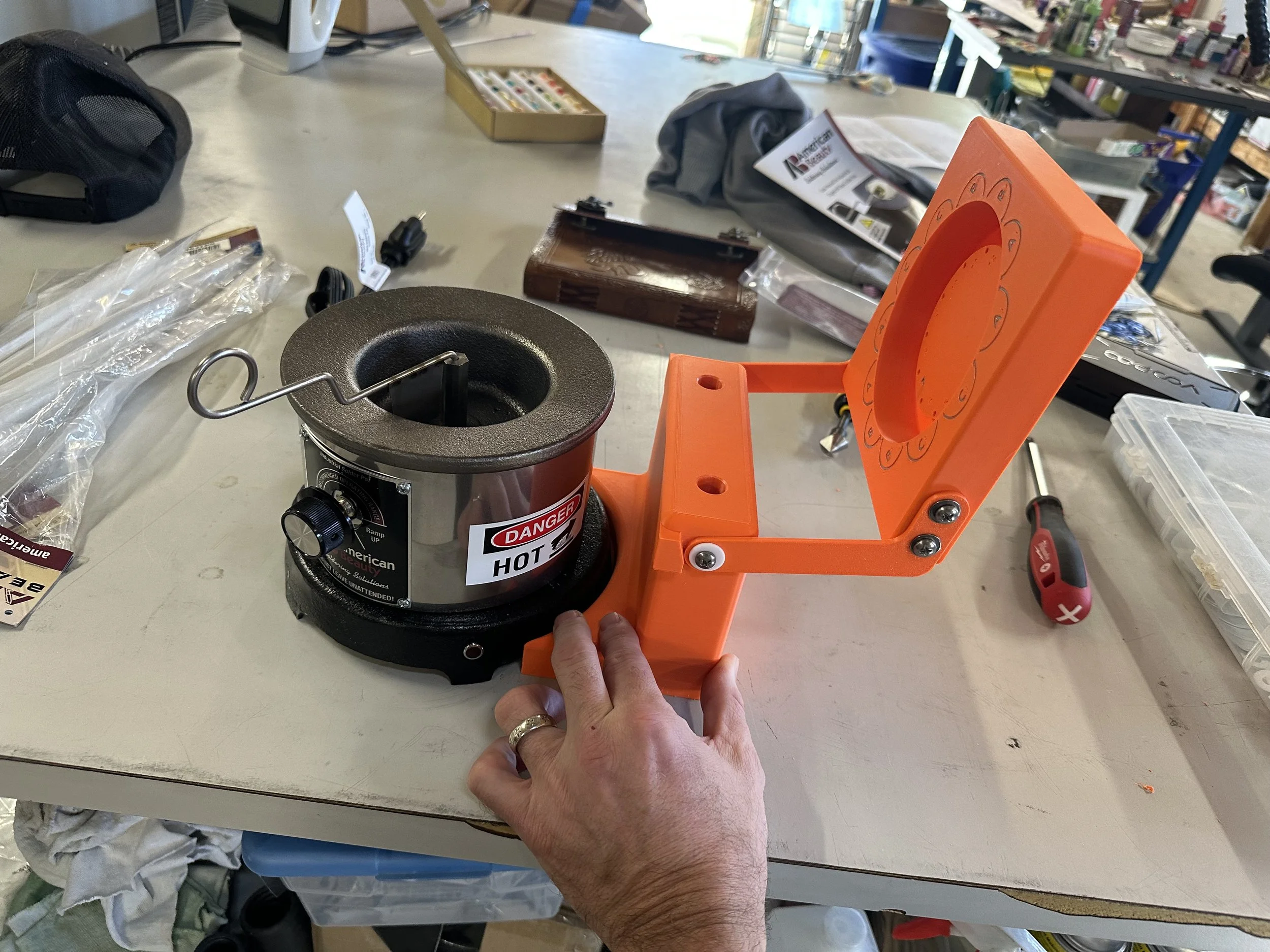
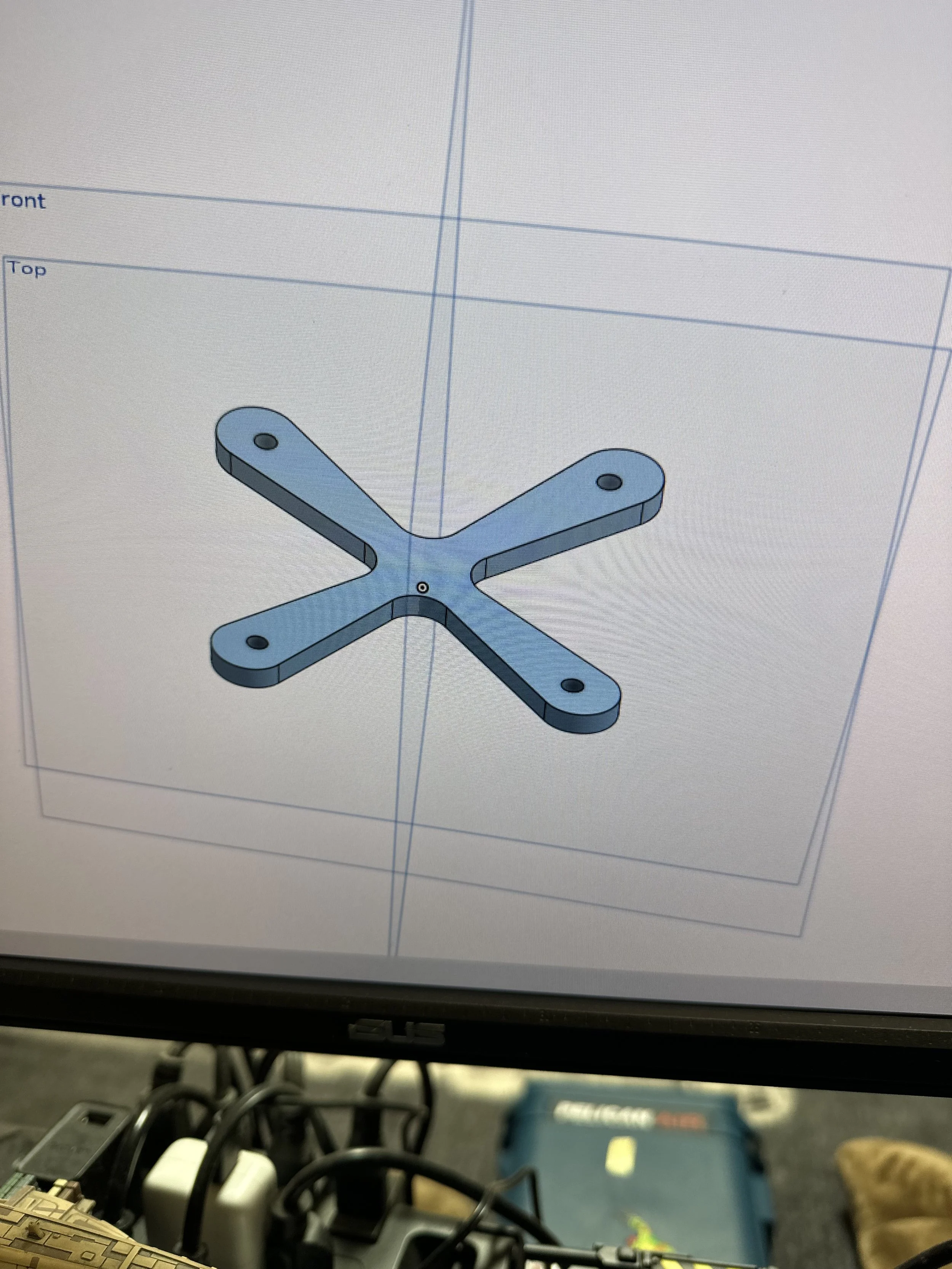
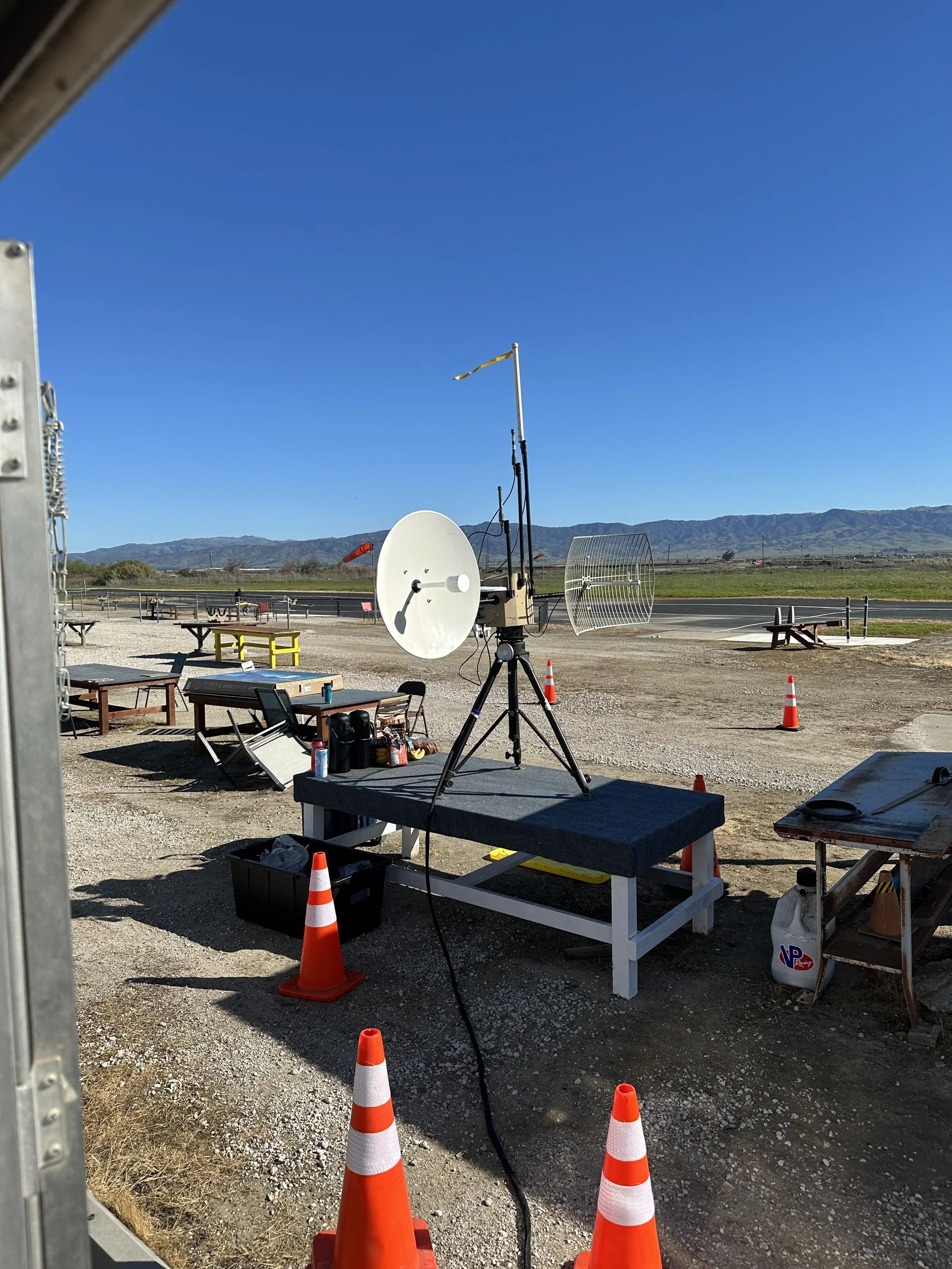
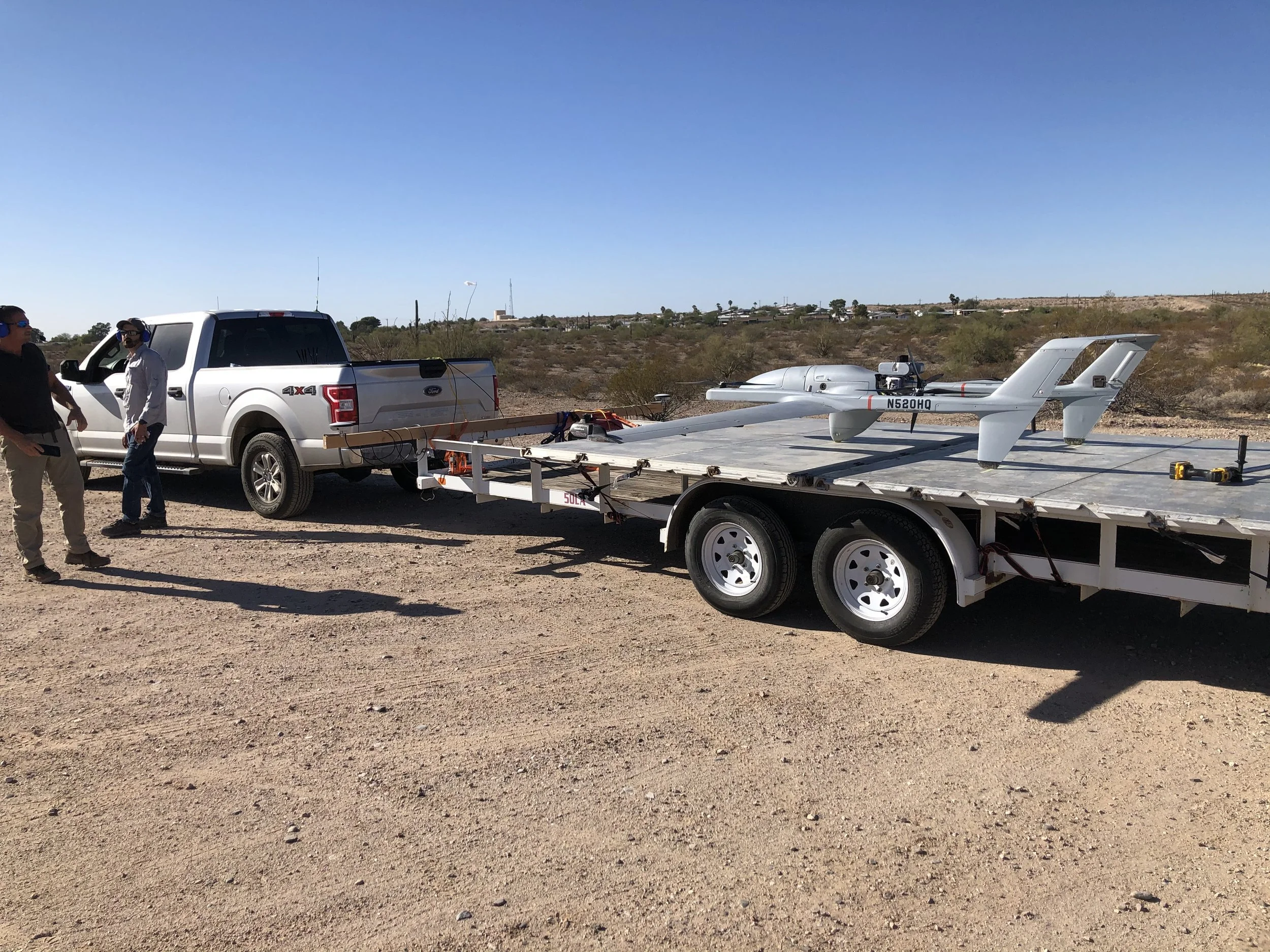
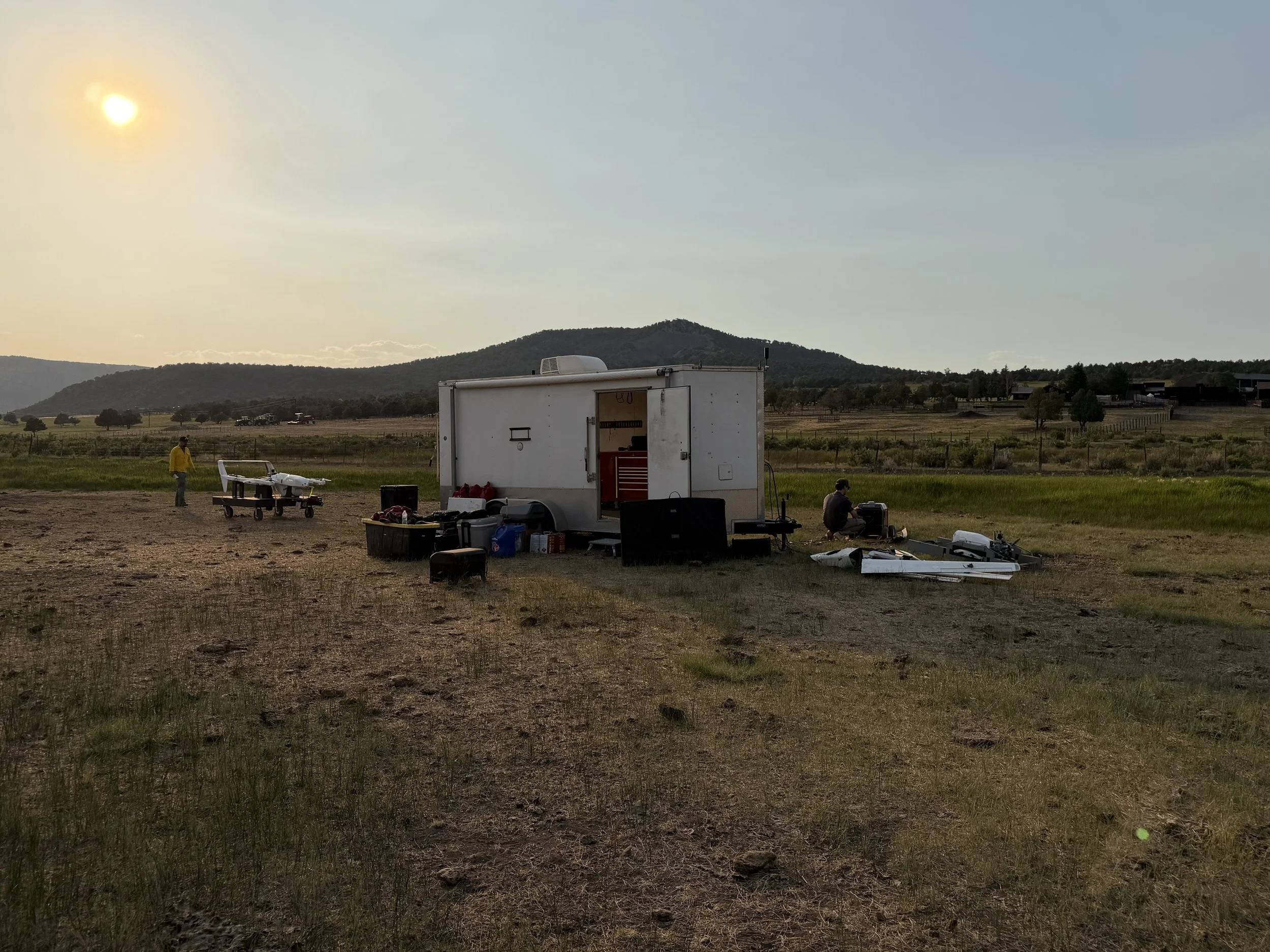
Systems Engineering
A successful product is more than the sum of its parts.
It requires every discipline to move in the same direction. Each discipline brings valuable expertise.
Mechanical. • Electrical. • Software. • Manufacturing. • Integration. • Testing.
The goal isn’t simply to help every discipline succeed. It’s to help the entire product succeed.
Systems engineering brings those perspectives together. Without someone looking at the system as a whole, it’s easy for one hand not to know what the other is doing. By understanding how decisions made in one area affect every other part of the project, we help keep teams aligned, improve communication, and recognize challenges before they become problems.
Systems engineering allows every discipline to focus on what it does best while ensuring the entire product continues moving toward the same goal.
By staying involved throughout the development process, we build a deep understanding of the entire system—making integration, testing, and validation a natural continuation of the work rather than a separate phase.
When every discipline moves in the same direction, the finished product performs the way it was intended.
Mechanical Engineering
Every mechanical design starts with two questions: What does it need to do, and where does it need to live?
Purpose and environment establish the foundation for everything that follows—from materials and manufacturing methods to assembly, integration, access, and long-term reliability.
Thinking about those things early helps define the right constraints, eliminate unnecessary options, and move from concept to a practical solution more efficiently.
The best solution is often the simplest one.
Simplicity doesn’t mean doing less. It means solving a complicated problem without adding unnecessary complexity—creating something that is reliable, efficient, and easier to build, assemble, maintain, and improve.
Years of hands-on machining, fabrication, assembly, and integration experience shape the way we design. We think about how a part will actually be made, how tools will reach it, where cables need to run, how components will fit together, and what happens when someone has to build it in the real world.
And we design with tomorrow in mind—considering modularity, changeability, and how the product may need to grow.
Because a thoughtful design doesn’t just solve the problem in front of you. It considers everything that comes next.
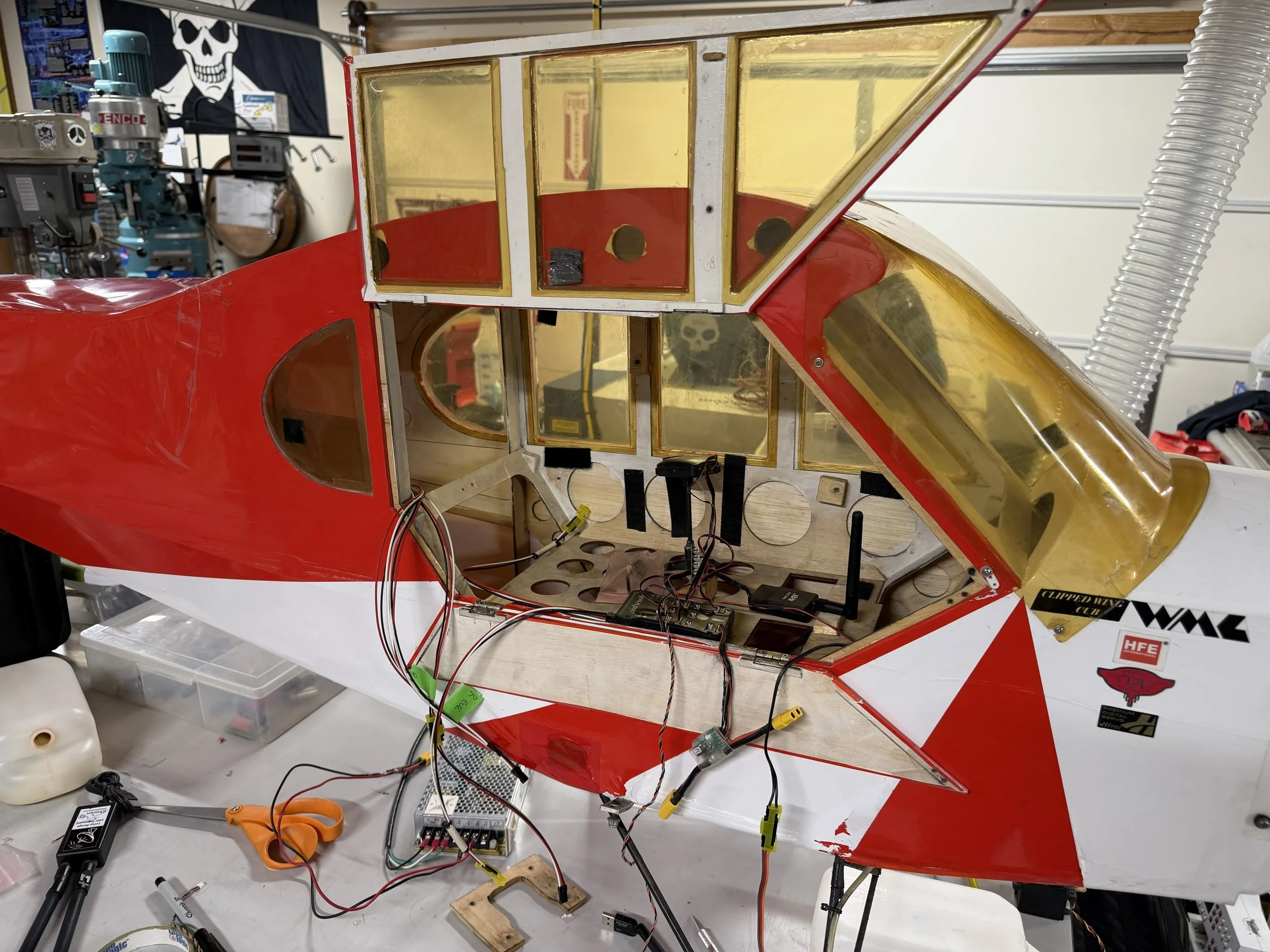
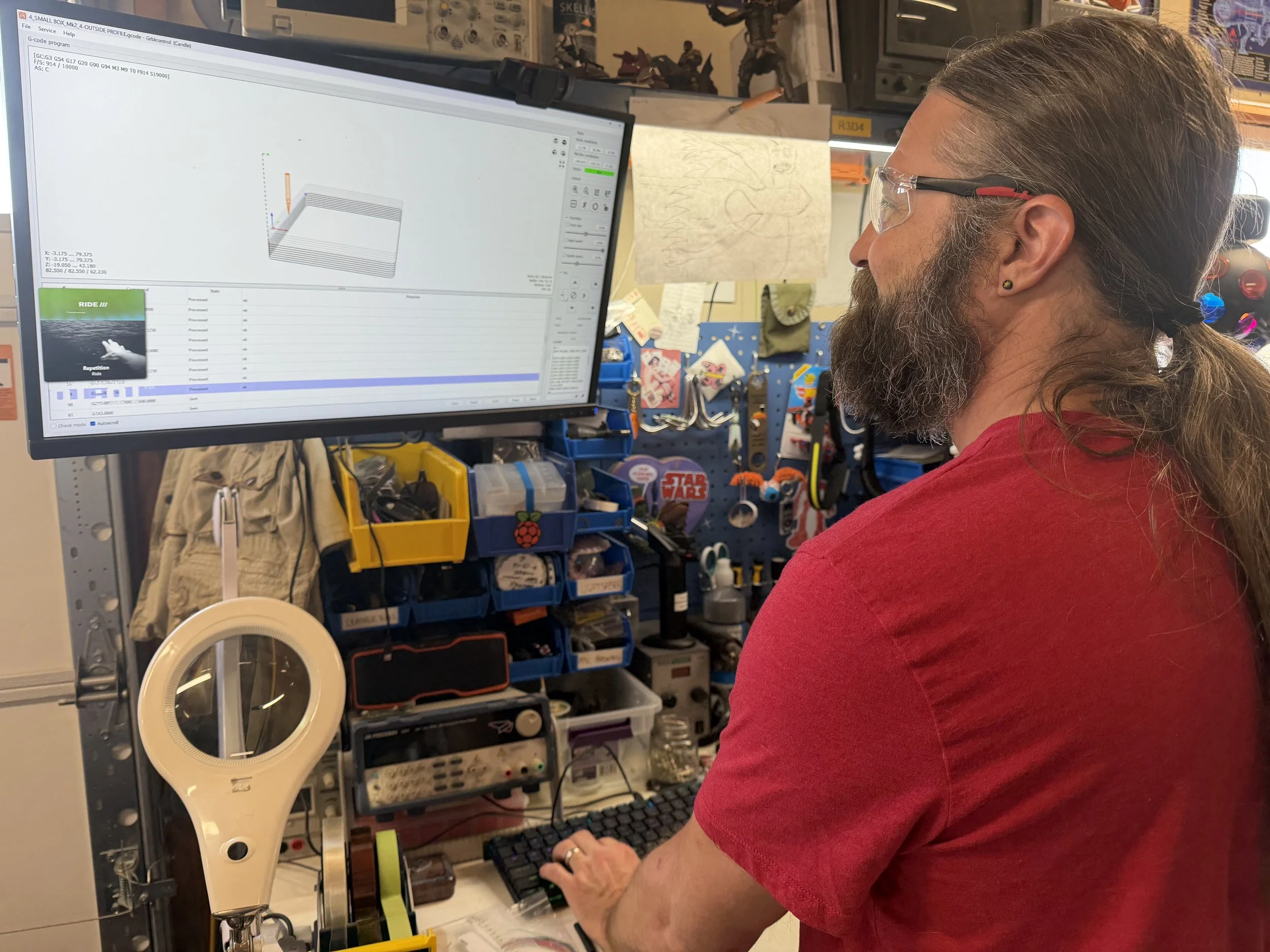
Prototype Development
A prototype is more than a first version of a product.
It is one of the most valuable opportunities a team has to learn.
Prototyping allows ideas to move out of the computer and into the real world, where assumptions can be tested, problems can be uncovered, and the entire team can begin to understand how the product actually performs.
We expect prototypes to teach us something.
Sometimes that means discovering what works.
Sometimes it means finding what breaks.
Mechanical, electrical, software, manufacturing, and integration challenges are far easier to address early than after a product has moved into production.
That is why we believe in learning early, adapting quickly, and using every prototype to make the next version better.
The goal is not to build a perfect first prototype.
The goal is to build one that helps the team move forward with better information.
Integration
A successful product doesn’t begin at integration. It begins months earlier.
The best integration processes are shaped throughout design—long before the first prototype is assembled.
By thinking ahead, coordinating across disciplines, and planning for real-world manufacturing and assembly, we help identify challenges before they become expensive delays.
That means considering things that are easy to overlook:
Will there be room for the tools needed to assemble it?
Will cables have proper routing and strain relief?
Can the product be integrated efficiently?
Will it be practical to build and service?
Those details often determine whether integration moves smoothly—or comes to a halt.
Because successful integration starts long before the first part is assembled.
Test Planning & Validation
Testing is more than checking boxes.
It’s about understanding how a product performs and gathering the information needed to improve it.
Rather than assuming every answer is known from the beginning, thoughtful testing allows the product to demonstrate its strengths, reveal its limitations, and confirm that it performs as intended.
A well-designed test plan gives the team a clear understanding of what it is trying to learn, what information matters, and how the results will be used.
Early testing should leave room for discovery. As the team learns more and the product matures, requirements and acceptance criteria can become more precise. This approach helps teams avoid spending valuable time testing against assumptions that were never validated in the first place.
Thoughtful planning also makes testing safer, more efficient, and more useful by ensuring that the right data is collected, and the right questions are being answered.
Validation is ultimately about confidence.
Confidence that the system performs as intended.
Confidence that it can survive the environment it was designed for.
When the right questions are asked before testing begins, the answers become far more valuable.
Because good testing doesn’t just tell you whether something passed or failed. It gives you the information you need to make the product better.
Manufacturing, Fabrication & Build Support
Designing a product is only one part of bringing it to life.
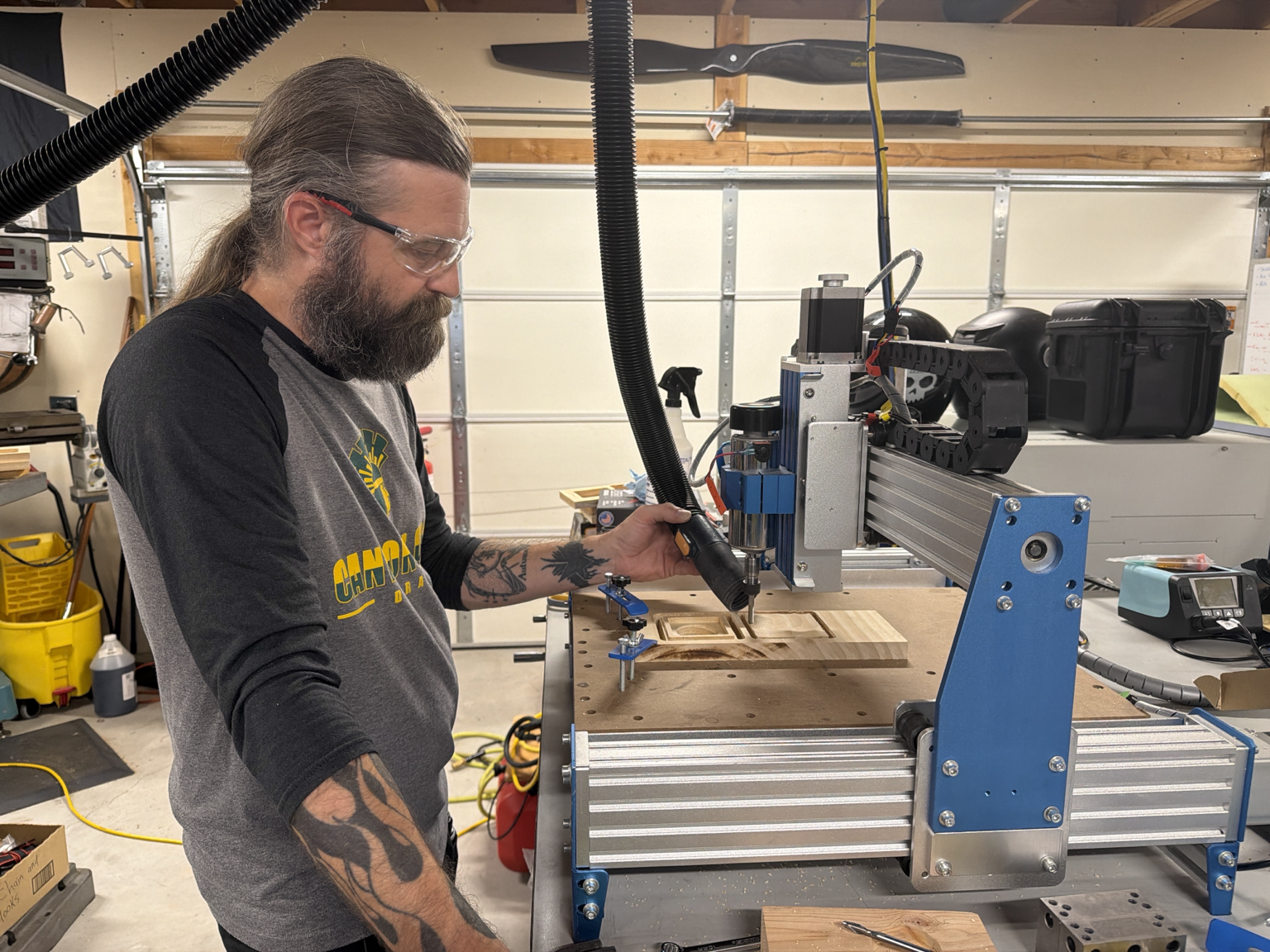
Our experience isn’t limited to the design. We’ve spent years machining, fabricating, assembling, integrating, testing, troubleshooting, and doing the hands-on work that turns an idea into a finished product.
That experience helps us understand how decisions made during design affect every stage that follows.
We think about how parts will actually be machined or fabricated, how assemblies will come together, what tools and access will be needed, how electrical components will be incorporated, and what will make the build process more efficient and reliable.
Because we understand the work beyond the drawing, we can help identify problems earlier, support the people doing the build, and adapt when real-world conditions require a different approach.
The goal isn’t simply to design something that can be built. It’s to help create something that can be built well.
Design Reviews
A thoughtful design review is about more than finding problems.
It’s about asking the questions that help a product become even stronger.
Every project is different. Every design has its own challenges.
Rather than approaching every review with a checklist, we take the time to understand the product, its purpose, its environment, and the goals of the team.
We respect the work that’s already been done. Our goal is to build on it by bringing another perspective and asking the questions that help move the design forward.
That perspective helps us identify considerations that may not have been obvious and offer practical suggestions that help teams move forward with greater confidence.
Whether it’s manufacturing, assembly, environmental conditions, testing, future growth, or long-term reliability, our goal is never simply to critique a design.
We don’t believe a design review should end with a list of problems. It should end with practical ideas, thoughtful discussion, and a clearer path forward.
Technical Problem Solving
Some of the most valuable engineering happens when a project reaches an unexpected challenge.
When progress stalls and the obvious solutions have already been tried, we bring a fresh perspective built on years of hands-on experience across design, manufacturing, integration, and testing.
We look at the problem from multiple angles—how it was designed, how it was built, how it was integrated, how it is being tested, and what may be happening in the real world that wasn’t obvious on paper.
That broader perspective often helps uncover the root of the problem and reveal practical paths forward.
Sometimes the answer is a design change. Sometimes it’s a manufacturing issue, an integration problem, a testing assumption, or something no one expected to find.
The goal is simple: understand what’s really happening, find a practical solution, and help the project move forward again.

Flight Test & Operations Support
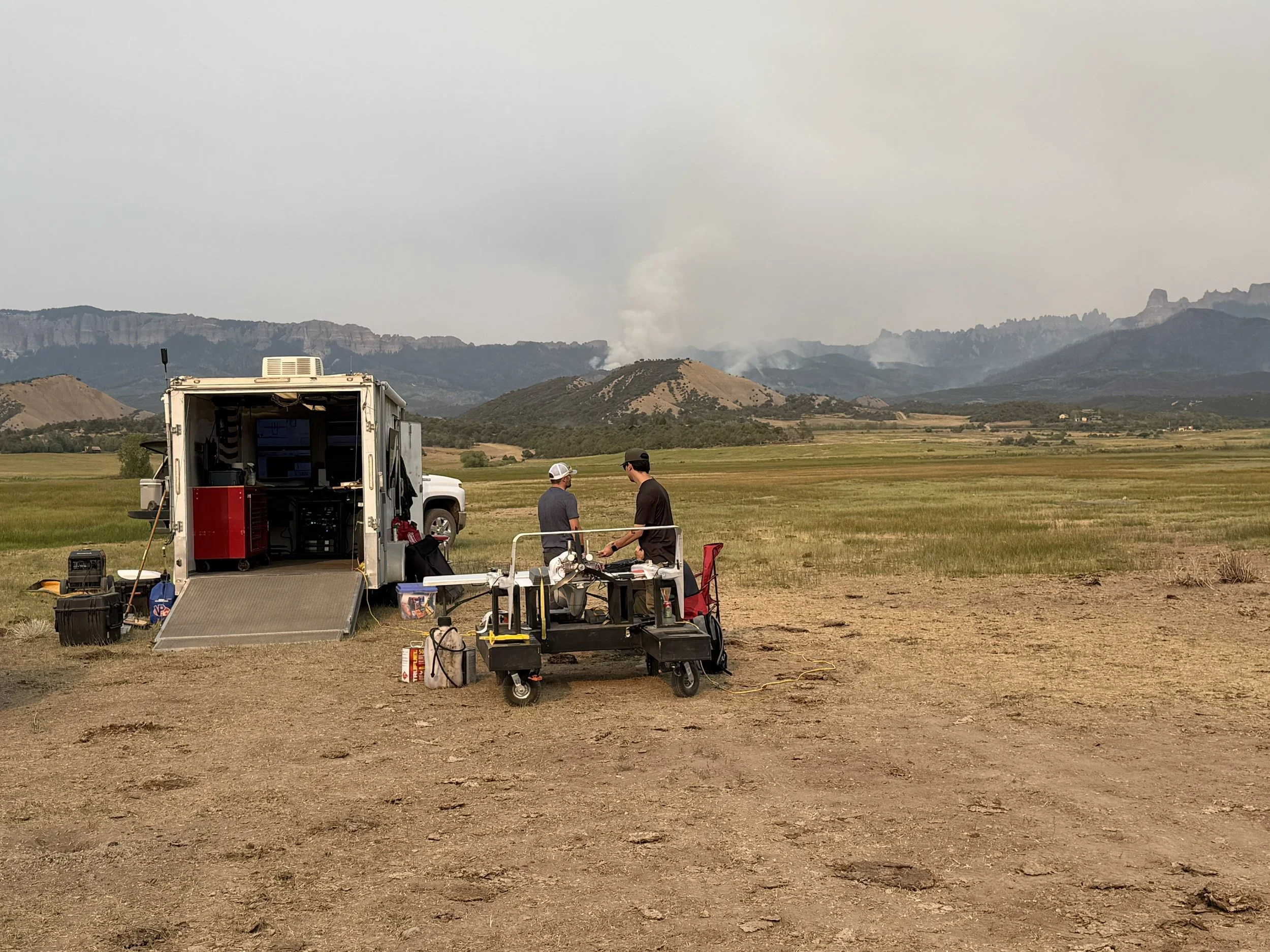
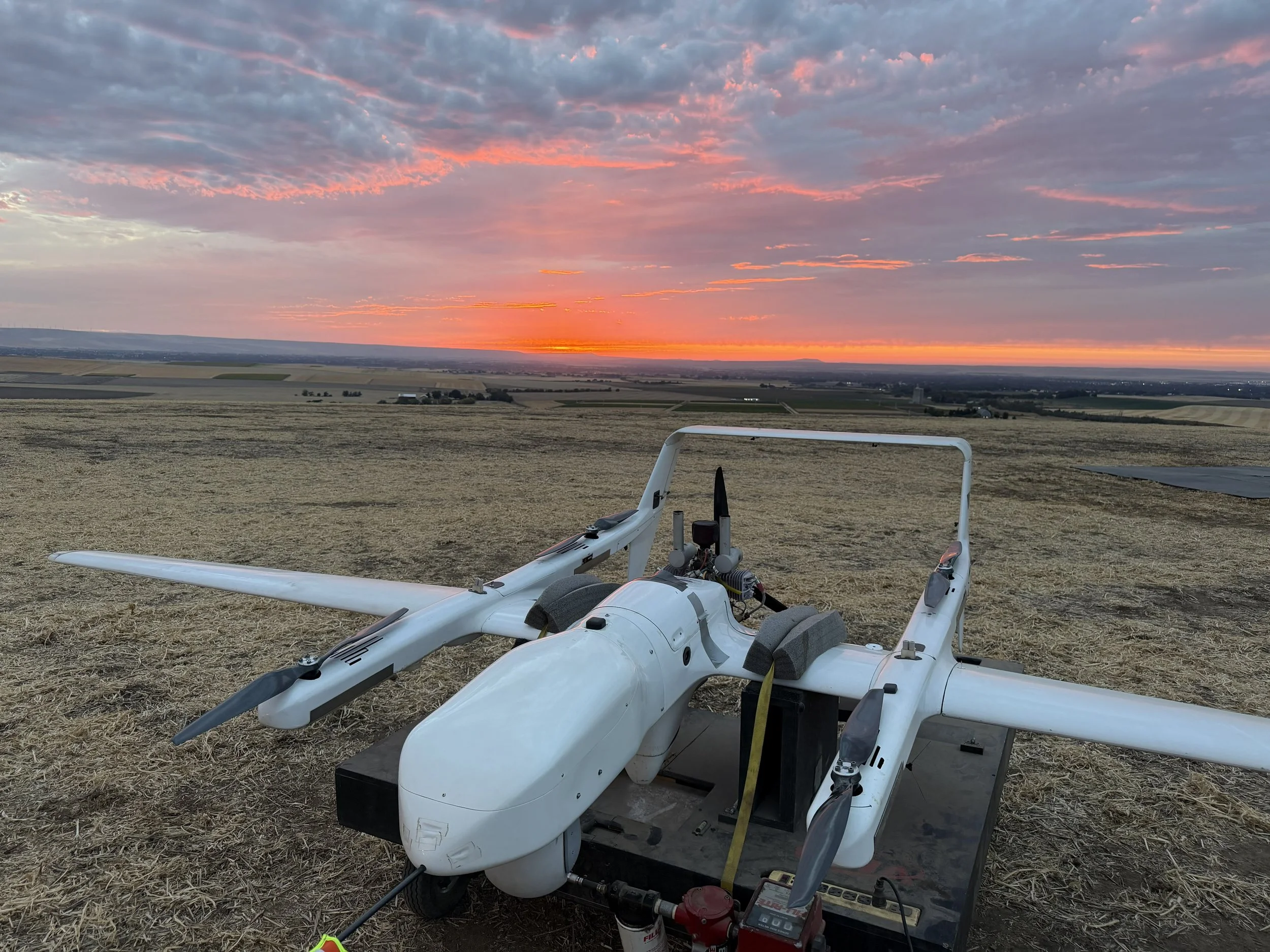
Successful operations depend on preparation as much as execution.
From planning and checklists to field operations and testing, we bring practical experience that helps teams work safely, efficiently, and confidently.
Consulting & Project Support
Sometimes you need a complete engineering partner.
Sometimes you simply need another experienced perspective.
Whether we’re contributing to a single design review or supporting an entire development effort, we meet your team where it is and contribute where we can make the greatest difference.
Let’s Build Something That Works.
Have a project, a problem, or an idea that needs an experienced engineering perspective?